
Whats Bounce Rate? A Plain-English Answer for Business Owners
Whats bounce rate, and how is it different from exits, engagement time or dwell time? Learn what each one really answers and what to ask your SEO agency.
From F&B to fintech, clinics to law firms, startups to enterprise. If your customers search on Google, we make sure they find you first, not your competitors.
One specialist team, focused only on the organic rankings that put you in front of ready-to-buy Singapore customers.
A clear, sequenced path from audit to rankings. You always know what we’re doing and why it matters for your leads.
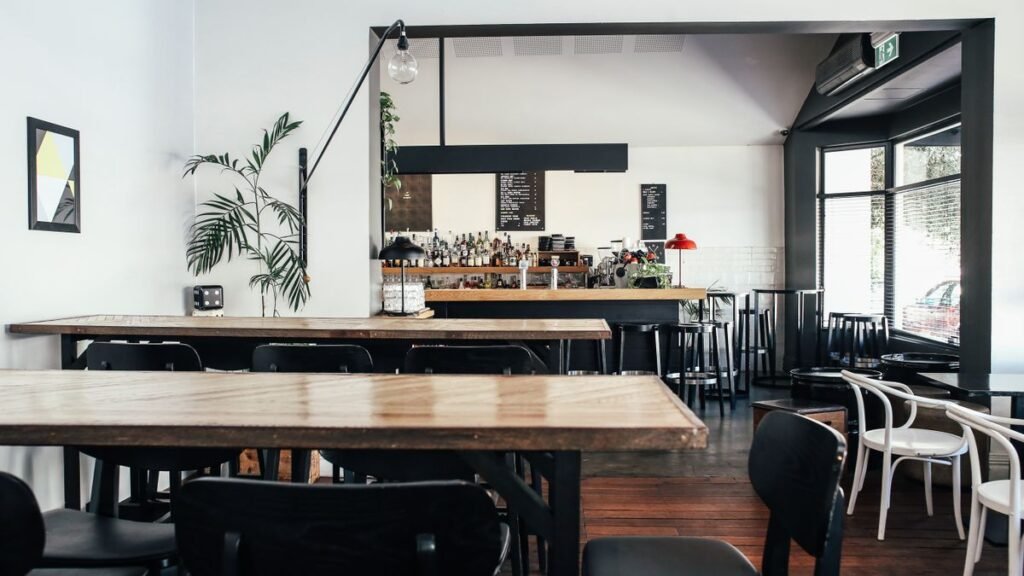
Quick answer: Restaurant SEO in Toa Payoh is the work of ranking your eatery on Google in one of Singapore’s most central heartlands. Because diners here can easily reach food in every direction, including town, visibility is fiercely contested. A complete Google Business Profile and a steady review habit are what keep you in the local choice set.
Toa Payoh sits closer to the city than almost any other heartland, and that geography defines its restaurant search dynamics. This is one of Singapore’s earliest satellite towns, a mature central estate anchored by the HDB Hub and Toa Payoh Central above the MRT, with a food heritage that goes back decades. It is also, crucially, a short ride from town.
That central position cuts both ways. Your local diners are convenient to reach, but they also have an unusually wide set of alternatives, including the city fringe, within easy distance. Restaurant SEO in Toa Payoh is therefore about staying firmly in the local choice set, because a diner who does not find you nearby will very easily default to somewhere else. This guide covers how to hold that position.
In a peripheral town, your competition is mostly other restaurants in the same town. In Toa Payoh, the effective competition is broader, because diners can reach city-fringe and neighbouring-town options with little effort. Your search visibility has to work harder to keep diners local.
This raises the stakes on the Local Pack. When someone searches “dinner Toa Payoh” or “lunch near Toa Payoh MRT”, appearing in that three-result map box is what keeps them from widening their search to town. In our experience with Singapore F&B clients in central estates, the restaurants that hold footfall are the ones that dominate the immediate local search, giving diners no reason to look further afield.
That makes local SEO the priority here, because the moment you are invisible in local results, a central-town diner has easy, attractive alternatives a few MRT stops away.
The mechanics are the familiar ones, but in Toa Payoh they are what stops a convenient diner from drifting elsewhere. A complete, current Google Business Profile is your anchor in the local results.
Prioritise the fields that decide the local search:
A free SEO audit is worth running here specifically to see whether you are holding or losing the local search against nearby and city-fringe competition.
When a diner can easily go elsewhere, reviews are what tip them toward staying local. A strong, recent review profile reassures a Toa Payoh searcher that the nearby option is worth choosing over a trip toward town.
The habit is the same one that works everywhere, applied where the stakes of losing a diner are higher:
| Diner situation | Toa Payoh reality | What keeps them local |
|---|---|---|
| Deciding where to eat | Town is a short ride away | Strong Local Pack presence |
| Comparing options | Many nearby alternatives | Recent, detailed reviews |
| Unsure of hours | Will not risk a closed door | Accurate, complete profile |
Toa Payoh’s population is a blend of long-time residents and younger families moving in through resale flats and new developments. Those two groups search differently, and your website can speak to both. The planned-occasion searches, such as “reunion dinner Toa Payoh” or “birthday restaurant central”, reward dedicated pages that a menu PDF cannot rank for.
Give each occasion its own page so it can rank and convert independently, and keep those pages fast. Technical SEO matters here because the younger incoming families you want to attract are mobile-first and quick to bounce from a slow page toward a city-fringe alternative.
For an independent central-town restaurant, this all fits the small business SEO model. You do not need a large budget to stay in the local choice set. You need a complete profile, active reviews, and a few intent pages, maintained consistently.
Google does not read your Business Profile in isolation. It cross-checks your details against the wider web, and inconsistencies quietly drag on your local ranking. The foundation is NAP consistency, meaning your name, address, and phone number appear identically everywhere online, down to the unit number and punctuation.
For a Toa Payoh restaurant, consistent citations directly support the central-town job of keeping convenient diners local. When a diner comparing options a short ride from town finds the same complete, correct information about you across every platform, you look like the safe, easy choice. When your details conflict between apps, you give that diner a reason to widen the search toward the city fringe, which is exactly what you are trying to prevent.
Run through a citation checklist:
Because Toa Payoh diners can so easily choose elsewhere, the small trust signals from consistent listings matter more than in a captive town. Our documented cafe SEO results show how much correcting inaccurate Google Business Profile details, such as wrong opening hours, can contribute to local visibility for a Singapore food business. Audit every listing, correct the mismatches, and keep them aligned as your details change.
Most owners judge SEO by feel, which leads to quitting too early or persisting with weak work. Google gives you the data to judge properly, free, inside your Business Profile. Google Business Profile Insights shows how diners find and act on your listing.
For a Toa Payoh restaurant, watch the balance between discovery searches and direct searches, and the direction requests that follow. Discovery searches show you are being found by diners weighing their options rather than only by regulars searching your name. Direction requests are the key intent signal in a central town, because a diner who requests directions to you has chosen you over the easy alternative of heading toward town.
Set a baseline before you begin, then review monthly. Healthy movement is rising discovery searches and a steady climb in direction requests over three to six months, showing you are holding convenient diners locally. If discovery rises but direction requests do not, diners are finding you but still choosing elsewhere, which usually means your reviews or photos need to close the gap. These numbers tell you precisely whether you are keeping your share of the central-town search.
Order matters more than intensity. A Toa Payoh restaurant that works in the right sequence beats one that does everything at once. Here is a realistic 90-day plan for holding your share of a central-town market.
Days 1 to 30, foundation. Claim and verify your Google Business Profile. Set the primary category to your exact cuisine and complete every field, giving particular care to accurate hours, because a central-town diner will not risk an uncertain opening time when town is a short ride away. Upload fresh photos so you look current beside newer options. Align your name, address, and phone number across every platform. Record your baseline Insights.
Days 31 to 60, momentum. Launch a review habit with a QR code at payment and a genuine ask from staff, and respond to every review within a day, since recent reviews are what keep a convenient diner choosing you over a trip toward town. Build your most valuable intent page, which in Toa Payoh is usually a celebration or reunion-dinner page that reaches both long-time residents and incoming families, and make sure it loads fast on mobile.
Days 61 to 90, compounding. Compare your Insights against the baseline, watching discovery searches and the direction requests that follow. If both are climbing, you are holding diners locally, so keep the habits steady and add a second intent page. Deepen your citations, keeping details consistent so you always look like the easy, safe choice. Use the discovery data to refine your categories toward the searches with the most local demand.
This sequence fits around a busy kitchen. In a central town, consistent execution across these phases is what stops convenient diners drifting toward the city fringe.
Toa Payoh is one of Singapore’s original satellite towns, a dense heartland estate centred on the HDB Hub with an older, established resident base. That shapes how diners search here: some are looking for a specific dish or cuisine, others simply want the highest-rated option nearby right now. From what we see in local search here, the restaurants that rank consistently treat their Google Business Profile, photos, and review replies as ongoing work, not a one-time setup.
We’ve seen that a listing kept current, with fresh photos and prompt replies to reviews, keeps outranking a listing that was completed once and left untouched. For a Toa Payoh restaurant owner weighing where to spend limited time, we recommend starting with the profile and photos before a website rebuild, since that is where most diners in this area actually begin their search.
None of this is a one-off project. Google reweighs relevance and prominence continuously, so a Toa Payoh restaurant that lets its profile drift out of date, with an old menu or stale photos, will slide down the map results even if the food and service have not changed. Set a recurring reminder to refresh the photo set every few months, keep the menu and hours current around public holidays, and reply to reviews the same day they come in. Small, steady maintenance beats a single large push, and it is the difference between a listing that holds its position in Toa Payoh and one that quietly loses ground to a newer competitor with a more complete profile.
Field notes: In our cafe case study, a specialty coffee and brunch cafe in Tiong Bahru, the opening hours on Google were simply wrong, which was costing walk-ins from people who checked before visiting. In Month 1 we corrected the hours, added a Chope reservation link and launched a QR review programme. Reviews grew from 23 to 67 over four months, and the cafe reached the top 3 of the local pack for all its primary cafe terms. For a Toa Payoh restaurant, accurate details and steady fresh reviews are what give convenient local diners no reason to look elsewhere.
Our published restaurant SEO case study shows the result of this kind of steady work. The client, a modern Asian restaurant in Tiong Bahru, was outside the top 10 of the local pack, with 14 reviews and 3 photos. Over five months we rebuilt its profile with 44 photos, a full menu and accurate hours, submitted consistent details to 25 Singapore F&B directories, and introduced QR table cards for reviews. By Month 3 it was in the top 3 for 3 Tiong Bahru dining terms, and organic reservations reached 23 a month by Month 5.
Toa Payoh’s dining scene keeps evolving as new coffeeshops, malls, and food outlets open nearby, which means the businesses competing for the same local searches also keep changing. A listing that ranked well last year can slip if a new eatery opens with a more complete Google Business Profile, fresher photos, or faster review responses. Revisiting your menu photos, categories, and review replies every few months – instead of leaving them untouched after setup – is what keeps a restaurant visible as Toa Payoh’s food scene shifts. The restaurants that stay booked treat this as ongoing upkeep, not a one-time job.
If your Toa Payoh restaurant is losing convenient local diners to options nearer town, the gap is almost always local search visibility. Singapore SEO Agency offers a free SEO audit of your Google Business Profile, your review profile, and how you rank against nearby and city-fringe competition. No commitment, no pressure. Book your free audit and we will show you where diners are slipping away.
Most independent Toa Payoh eateries invest between $800 and $2,000 per month in SGD. Profile and review work sits at the lower end, while website pages for planned occasions push toward the upper end. See our pricing page for indicative tiers.
Because diners can easily reach city-fringe and neighbouring-town restaurants. Your effective competition is wider than your immediate area, so strong local search visibility is what keeps diners choosing you over a short trip elsewhere.
Profile improvements typically show in the Local Pack within four to eight weeks. Website rankings for planned-occasion searches take three to six months. In a competitive central market, consistency matters most.
Dominate the local search. When you appear strongly in the Local Pack with recent reviews and an accurate profile, convenient diners have no reason to widen their search toward the city fringe.
Yes. Long-time residents often know you already, while incoming younger families discover restaurants by searching. A complete profile plus website pages for occasions reaches both groups.
The Local Pack is the three-result map box Google shows for local searches. In a central town it is what keeps a convenient diner from expanding their search toward town, so appearing there is critical.
For map visibility, not strictly. For planned occasions such as reunions and celebrations, a dedicated page converts far better than a map listing, and those bookings are worth capturing.
Start by completing your profile and correcting your hours, then build a review habit. Our SEO services overview shows how these fundamentals combine to hold your local position.
They solve different problems. Delivery apps charge high commissions and own the customer relationship, while SEO brings diners directly to you and your own bookings. In a central town where diners have easy alternatives, owned SEO that keeps them choosing you locally protects both your margin and your customer relationship.
Refresh photos monthly, correct hours the instant they change, and respond to reviews daily. Accuracy matters especially in Toa Payoh, because a convenient diner who cannot trust your listed hours will simply head toward town rather than risk a closed door, so a current, precise profile directly protects your footfall.
Assuming central convenience guarantees footfall. It does not, because that same convenience gives diners easy access to city-fringe alternatives. The mistake is neglecting local search, which is exactly what keeps a convenient diner from widening their options and choosing somewhere a few stops away instead.
Set your primary category to the single most specific description of your core cuisine, rather than the generic Restaurant option. Then add secondary categories only for offerings you genuinely provide, such as cafe, halal restaurant, or a named speciality. Google uses these to match you to searches, so precise categories directly widen the range of Toa Payoh searches you can appear for and help keep convenient diners choosing you locally. Review them every few months.
Responding to every review, including critical ones, signals to Google that your profile is actively managed, which supports your prominence. Just as importantly, a calm reply reassures the diners who read reviews before deciding whether to stay local or head toward town. In a central town like Toa Payoh, a thoughtful response can be what tips a wavering diner toward your door. Never argue; acknowledge, address, and invite them back.
Toa Payoh’s central location gives diners options in every direction, so your job is to stay firmly in the local choice set. Dominate the Local Pack with a complete profile and recent reviews, keep your hours accurate, and add website pages for the occasions that matter. Do that and convenient local diners have no reason to drift toward town. To see where you are losing them, learn about our approach and claim a free audit.
Natalie leads SEO strategy at Singapore SEO Agency, helping local and regional businesses build organic search programmes that drive qualified leads. She specialises in technical SEO and content-led authority building for Singapore SMEs.
Get a free SEO audit for your Singapore website — we'll show you exactly where you stand, what's holding you back, and what it would take to rank on page 1.
Get Your Free SEO Audit →Whats bounce rate, and how is it different from exits, engagement time or dwell time? Learn what each one really answers and what to ask your SEO agency.

Google Analytics website traffic is a consented sample, not a head count. See where visits come from, why tools disagree and which number to trust each month.

Google analytics consulting services for Singapore SMEs: what consultants do, indicative SGD costs, deliverables to demand and red flags. Buy the right scope.

Bounce rate in GA4 is not the old Universal Analytics number. Learn what it measures now, why old benchmarks fail and how to judge each page by its job.

Yoast SEO helps most when its site-wide settings are right. See which settings to choose, what the traffic lights really mean and the mistakes to avoid.

Which free keyword research tool should a Singapore clinic, firm, contractor or tutor use? Combine five free tools to find your first 30-50 keywords. See how.
Fast, no obligation. We reply within 24 hrs.
Singapore’s specialist SEO agency for SMEs. We rank your business on Google — and only Google. No distractions, just results.
© 2026 Singapore SEO Agency. All rights reserved.