
SEO vs SEM: Which Searches to Earn and Which to Buy
SEO vs SEM is usually the wrong question. Learn what the terms really mean and how to use ads and Search Console data to decide which searches to earn or buy.
From F&B to fintech, clinics to law firms, startups to enterprise. If your customers search on Google, we make sure they find you first, not your competitors.
One specialist team, focused only on the organic rankings that put you in front of ready-to-buy Singapore customers.
A clear, sequenced path from audit to rankings. You always know what we’re doing and why it matters for your leads.
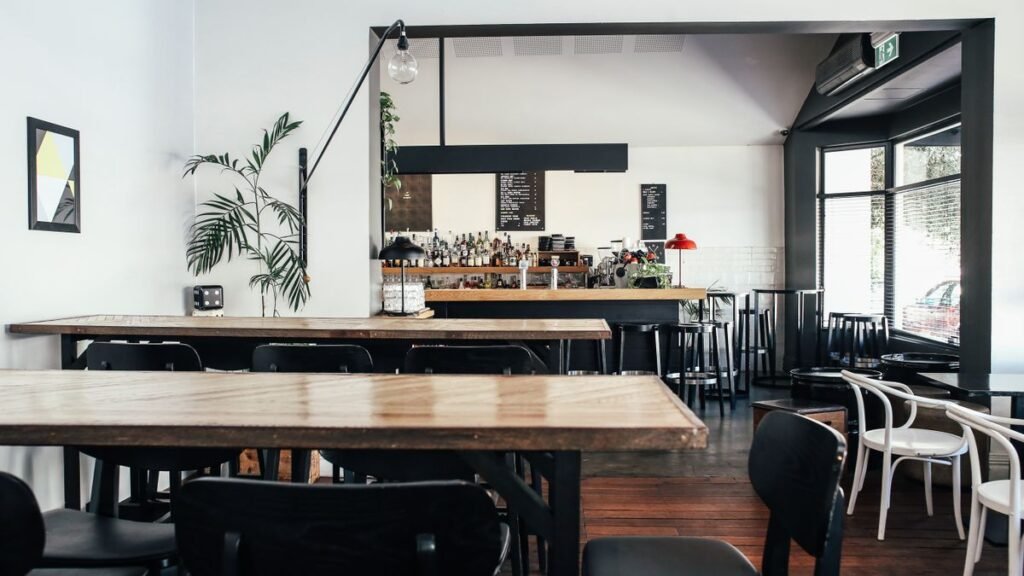
Singapore’s annual calendar is dense with dining occasions that drive predictable, high-intent search traffic: Chinese New Year reunion dinners, Great Singapore Sale dining promotions, Hari Raya open house catering, National Day specials, Christmas and year-end celebrations, Deepavali family meals. Every one of these occasions generates a surge in restaurant-specific Google searches that peaks, holds for a defined window, and then drops sharply.
Quick Answer: Seasonal SEO strategy for Singapore restaurants means planning content and Google Business Profile updates around predictable high-intent occasions like Chinese New Year, Great Singapore Sale, and Hari Raya, since these calendar moments drive concentrated, foreseeable search demand worth preparing for in advance.
Most Singapore restaurants miss this traffic entirely. Not because they do not run seasonal promotions, but because they publish their seasonal content too late. The CNY reunion dinner page goes live on the first day of February, two weeks after the search peak has already crested and begun declining. The Christmas dining page goes up on December 20, when most corporate bookings have been made for six weeks.
Restaurant SEO Singapore campaigns that build a seasonal publishing calendar win a disproportionate share of organic reservation traffic at the highest-intent moments of the year. This guide gives you the exact publishing windows for each major Singapore dining season, with specific content recommendations for each.
For help with the broader content strategy that seasonal planning fits within, see our small business SEO service.
Before building your seasonal publishing plan, it helps to understand how search volume behaves around Singapore’s key dining occasions.
For every major seasonal event, search volume follows the same pattern: it begins building 6 to 10 weeks before the event, peaks 2 to 3 weeks before, and drops sharply in the week after. This means:
The critical insight: Google does not index and rank pages instantly. New pages typically take 2 to 6 weeks to achieve their best ranking for a new query. For seasonal content, this means the indexing delay is built into your publishing schedule by moving the publish date earlier.
In our experience working with Singapore restaurant clients, the restaurants that build a 12-month editorial calendar anchored to this seasonal search pattern generate far more organic seasonal traffic than restaurants that publish seasonal content reactively.
In our restaurant case study, the Tiong Bahru restaurant’s festive set menus and chef’s seasonal specials had only existed as PDFs that Google could not read. We republished them as indexed HTML pages from month 2. In months 4-5, that seasonal content indexed and captured festive dining searches, and website traffic reached 1,206 visitors a month, up from 410. Seasonal pages need time to index and rank before demand peaks, so publish well ahead of the festive period, not in the week it starts.
For a full look at how this fits into your annual SEO investment, visit our restaurant SEO Singapore service page.
Here is the complete seasonal publishing framework for Singapore restaurants, with specific content types and exact publishing windows.
| Season | Search Peak | Publish Window | Core Content Types |
|---|---|---|---|
| Chinese New Year | Mid-Jan to end-Jan | Nov 15 – Dec 1 | Reunion dinner page, CNY set menu, yusheng delivery |
| Valentine’s Day | Feb 10-15 | Dec 15 – Jan 7 | Romantic dinner, couples dining guide, Valentine’s set menu |
| Hari Raya Puasa | 6 weeks before | 10 weeks before Eid | Halal catering, Hari Raya open house, buka puasa dining |
| Great Singapore Sale | Late May to July | April 1 – April 20 | GSS dining deals, restaurant promotions, staycation dining |
| National Day | Aug 9 peak | June 10 – June 25 | Singapore-themed set menus, National Day dining guide |
| Mid-Autumn / Mooncake | Sep-Oct | August 1 – August 15 | Mooncake sets, family dining, mid-autumn deals |
| Deepavali | 3 weeks before | 10 weeks before | Indian restaurant features, Deepavali family dining |
| Christmas | Dec 20-26 peak | Oct 20 – Nov 1 | Christmas set menu, year-end dinner, corporate party venue |
| New Year’s Eve | Dec 31 | Oct 25 – Nov 10 | NYE countdown dinner, champagne set menu, countdown party venue |
Contrarian view: Most restaurant marketing guides tell you to create seasonal content once per year and republish it. In our experience, Google rewards pages that are meaningfully updated for each season over simple date-changes on an identical page. Update 30 to 40 percent of the content each year: new dishes, updated pricing, current photos, fresh testimonials. A genuinely refreshed page will outrank a minimally edited one for the same seasonal query.
CNY is the highest-stakes seasonal SEO opportunity for most Singapore restaurants. Reunion dinner is one of the highest-volume, highest-intent F&B queries in Singapore, with search volume building from early December, peaking in mid-January, and dropping sharply after CNY eve.
The content types you need for CNY:
Reunion dinner landing page: A standalone page targeting “reunion dinner Singapore [year]” with your specific menu details, pricing, private room options, and booking information. This page should be live by November 15 at the latest.
Yu sheng page (for restaurants offering it): “Yu sheng delivery Singapore” and “yu sheng Singapore” are separate high-intent queries. A dedicated page, not just a paragraph on your reunion dinner page, gives you an additional ranking opportunity.
CNY set menu page: Separate from the reunion dinner page, a “CNY set menu 2026” page can capture searches from smaller groups looking for CNY dining rather than a full family reunion dinner.
Private dining CNY: “Private room CNY dinner Singapore” is a high-commercial-value long-tail query worth targeting if you have a private dining room.
The content structure for a CNY reunion dinner page: – H1 targeting “Reunion Dinner Singapore [Year]” or “[Cuisine] Reunion Dinner Singapore” – Opening paragraph: specific details about your CNY offering, when it is available, and how to book – Menu details in text (not just an image or PDF), structured with H2 subheadings for each course or tier – Pricing in SGD (not a link to a PDF) – Booking information with a direct CTA – Schema markup: RestaurantMenu schema for the menu items
In our experience working with Singapore restaurant clients, the CNY reunion dinner page is the single highest-ROI content investment of the year for any restaurant offering reunion dinner sets. It earns high-intent traffic for 8 to 10 weeks, drives direct bookings, and typically generates the highest organic conversion rate of any page on the site.
For help with how content structure affects SEO performance, talk to Singapore SEO Agency.
Hari Raya Puasa (Eid al-Fitr)
Hari Raya is Singapore’s second-largest dining season for Muslim-majority audience F&B searches. Key search intents: buka puasa (breaking fast) restaurant recommendations during Ramadan, halal catering for Hari Raya open house, and Hari Raya family dining.
Publish dates: 10 to 12 weeks before Eid. Content types: “halal catering Singapore Hari Raya,” “buka puasa restaurant Singapore [year],” “Hari Raya open house catering Singapore.”
For halal-certified restaurants, this season represents a disproportionate organic opportunity because fewer restaurants compete for Hari Raya-specific queries than for CNY queries.
Great Singapore Sale (GSS)
GSS runs from late May through July. Restaurant-specific GSS searches: “GSS restaurant deals Singapore,” “dining promotions Singapore GSS [year],” and cuisine-specific deals pages. Publish by April 15 at the latest.
The key for GSS content: be specific. “20 percent off all main courses at dinner, GSS 2026, valid May 30 to July 13” outperforms a vague “GSS dining deals” page. Google rewards specific, dateable promotions with higher click-through rates in search results.
Christmas and New Year’s Eve
Year-end represents the highest average booking value of any season for premium and mid-range Singapore restaurants. Corporate Christmas lunches and New Year’s Eve countdown dinners typically book 4 to 8 weeks in advance.
Publish Christmas and NYE content by October 25. Content types: “Christmas set menu Singapore [year],” “New Year’s Eve dinner Singapore [year],” “corporate Christmas party venue Singapore,” “Christmas Day lunch Singapore.”
We’ve seen this pattern across restaurant accounts: Christmas and NYE content published before November 1 consistently earns bookings from the corporate market, which books earliest and pays highest rates per cover. Content published in December catches only the leisure market, which is more price-sensitive and books later.
| Season | Average Advance Booking Window | Key Content Deadline |
|---|---|---|
| CNY Reunion Dinner | 4-6 weeks before CNY eve | Nov 15 |
| Valentine’s Day | 1-2 weeks before Feb 14 | Jan 7 |
| Hari Raya Open House | 2-4 weeks before Eid | 10 weeks before Eid |
| GSS Dining Deals | 1-3 weeks into GSS | April 15 |
| National Day | 1-3 weeks before Aug 9 | June 20 |
| Christmas Corporate | 4-8 weeks before Dec 25 | October 25 |
| New Year’s Eve | 2-4 weeks before Dec 31 | October 25 |
For help measuring whether your seasonal content is performing, see our SEO consulting and audit service.
The most efficient approach to seasonal SEO is building each seasonal page once, properly, and then refreshing it annually rather than recreating it from scratch.
Year one: Build each seasonal landing page from scratch with full keyword-targeted content, correct on-page structure, internal links, and schema markup. Publish by the deadlines in the calendar above. Monitor performance in Search Console.
Year two onward: Update the page, ideally by November for CNY content, with: – New year reference in the title and meta title (e.g., “CNY Reunion Dinner Singapore 2027”) – Updated menu and pricing – New food photography – New guest testimonials or reviews from the previous year – A refreshed internal link structure pointing to your latest commercial pages
Why this works: An updated page with an established history of seasonal ranking signals outperforms a brand-new page targeting the same query. Google recognises the page’s track record of relevance for that seasonal query and re-evaluates it faster than a new URL.
What to measure for seasonal content: – Organic impressions on the seasonal page in the 8 weeks around the season peak (in Google Search Console) – Click-through rate on the seasonal page (CTR below 2% suggests the meta title needs revision) – Conversion rate from seasonal organic visitors to reservation enquiries (in GA4) – Position for primary seasonal keyword at peak week (benchmark against the previous year)
For real Singapore F&B results that include seasonal menu pages, see our cafe SEO case study.
For seasonal content that indexed ahead of festive dining searches, see our restaurant SEO results page.
Singapore’s seasonal dining calendar is the most predictable, highest-ROI content opportunity in restaurant SEO. The restaurants that win it are not the ones with the best food photography or the biggest budgets. They are the ones that publish early, structure content correctly, and refresh it annually.
CNY, Hari Raya, GSS, National Day, and year-end together represent a 5-month window of elevated search intent that a well-structured seasonal SEO strategy can capture year after year, with each year’s results building on the last.
Start your seasonal SEO calendar now, regardless of what season is coming next. The earlier you build each asset, the more compounding benefit it delivers.
Contact Singapore SEO Agency to build your restaurant’s 12-month seasonal SEO calendar.
For a full breakdown of monthly retainer costs, visit our SEO pricing page.
Your competitors are already building their CNY reunion dinner pages. Are you?
Singapore SEO Agency builds and manages seasonal SEO content calendars for Singapore restaurant businesses. We handle the keyword research, content creation, publishing schedule, and annual refresh so you capture peak search traffic for every Singapore dining season.
Book a free seasonal SEO review and find out which seasonal traffic your restaurant is currently missing.
We recommend Singapore restaurants build a reusable template for each major seasonal period rather than starting from scratch every year, since Chinese New Year, Great Singapore Sale, and Hari Raya campaigns tend to follow a similar structure year to year: a landing page or blog post announcing the seasonal menu or promotion, updated Google Business Profile posts, and a round of social content driving traffic back to the website. Saving last year’s version as a starting template and simply updating dates, dishes, and pricing each year saves significant time while keeping the SEO structure that already worked intact.
In our experience, restaurants that keep old seasonal pages live year-round, rather than deleting them after the season ends, often see those pages start ranking well again automatically as the same season approaches the following year, since the URL and its accumulated authority are still there working in the background. Updating and reusing an existing page for each new festive season is almost always a stronger SEO move than publishing a brand new page from scratch every time.
We recommend restaurants that have not run a structured seasonal SEO campaign before start with just one festive period this year rather than attempting Chinese New Year, Great Singapore Sale, and Hari Raya all at once. In our experience, a well-executed single seasonal campaign teaches far more about what actually works for that specific restaurant’s audience than a rushed attempt across three periods simultaneously with limited preparation time for each.
Once the first seasonal campaign has run its course, the resulting page, content, and results become the template referenced earlier in this guide for future years and future seasons, making each subsequent campaign progressively easier to execute well.
Publish your CNY reunion dinner page and related CNY content by November 15 at the latest, ideally by November 1. Google typically takes 2 to 6 weeks to crawl, index, and rank new pages. CNY reunion dinner search volume builds from early December and peaks in mid-January. Content published in December will not reach its best ranking until January at earliest, missing the early corporate booking window that drives the highest-value reservations.
Build at minimum three pages: a primary Reunion Dinner landing page targeting “reunion dinner Singapore [year],” a CNY Set Menu page for smaller group dining, and a Yu Sheng page if your restaurant offers it. If you have private dining, add a fourth page targeting “private room CNY dinner Singapore.” Each page should have its own URL, unique content, correct on-page structure, and internal links to your booking page.
Yes. Seasonal pages target high-intent, time-bounded queries that convert at higher rates than evergreen informational content, because the searcher is actively planning a specific upcoming meal occasion. A well-built reunion dinner page that earns Page 1 for “reunion dinner Singapore 2026” generates reservation enquiries for 8 to 10 weeks per year at near-zero marginal cost once published. The build cost is a one-time investment that compounds across multiple CNY seasons with only annual refreshes needed.
Google Trends (free) lets you search any keyword and see seasonal search volume patterns. Search “reunion dinner Singapore” in Google Trends, select the Singapore location, and you will see the exact annual peak pattern. Google Keyword Planner (free with a Google Ads account) provides monthly volume estimates. Google Search Console shows you which seasonal queries you already receive impressions for, which is the most valuable starting point for identifying your best seasonal SEO opportunities.
Yes, and for CNY content specifically, Mandarin-language seasonal queries can represent significant incremental traffic. Searches in simplified Chinese for concepts like reunion dinner, yu sheng, and CNY set menu target a large segment of Singapore’s Chinese-speaking population. Building separate Mandarin-language seasonal pages, or adding Mandarin sections to existing seasonal pages, requires Mandarin content creation capability but can meaningfully expand your seasonal organic reach for the right restaurant demographic.
Keep all seasonal pages live year-round. Do not unpublish them. An unpublished or deleted page loses its ranking history, and you will need to rebuild it from scratch the following year. Instead, update the page after the season with a note that reservations for the next season will open in a specific month, and link to your main contact page. Google retains the page’s authority and ranking history, and the updated page will re-rank faster the following year than a new page would.
Publishing seasonal content too late. Across all Singapore dining seasons, the most common mistake is creating reunion dinner pages in January, GSS deal pages in June, and Christmas menu pages in December. These pages miss the peak search window entirely because they are published after the search volume peak has already crested. The fix is simple: build your seasonal content calendar with publication dates that are 6 to 8 weeks before each season’s search peak.
In Google Search Console, filter the Performance report by your seasonal page URL and set the date range to cover the 8 weeks around the seasonal peak. Check total impressions, clicks, and average position for your target seasonal query. Compare to the previous year if data is available. In Google Analytics 4, check organic sessions to that page and conversion rate during the seasonal window. If your seasonal page is on Page 1 by the start of the peak search window, your publishing timeline is working.
Natalie leads SEO strategy at Singapore SEO Agency, helping local and regional businesses build organic search programmes that drive qualified leads. She specialises in technical SEO and content-led authority building for Singapore SMEs.
Get a free SEO audit for your Singapore website — we'll show you exactly where you stand, what's holding you back, and what it would take to rank on page 1.
Get Your Free SEO Audit →SEO vs SEM is usually the wrong question. Learn what the terms really mean and how to use ads and Search Console data to decide which searches to earn or buy.

Google Search Console login problems usually start with verification and ownership. Learn how to get in, fix access errors and offboard agencies safely.

The click through rate formula is clicks divided by impressions. Learn what each platform counts, the averaging trap and how to set it up in Google Sheets.

A click through rate means nothing on its own. Learn to compare CTR by position, query type and SERP features, and see what low CTR is really telling you.

What a google analytics certification proves, what it misses, how to verify one and the practical questions to ask before you hire a marketer or freelancer.

A domain authority checker only helps when you compare your site with the pages ranking for your searches. Learn to read Moz, Ahrefs and Semrush scores.
Fast, no obligation. We reply within 24 hrs.
Singapore’s specialist SEO agency for SMEs. We rank your business on Google — and only Google. No distractions, just results.
© 2026 Singapore SEO Agency. All rights reserved.