
Google Analytics Consulting Services: How to Buy the Right Work
Google analytics consulting services for Singapore SMEs: what consultants do, indicative SGD costs, deliverables to demand and red flags. Buy the right scope.
From F&B to fintech, clinics to law firms, startups to enterprise. If your customers search on Google, we make sure they find you first, not your competitors.
One specialist team, focused only on the organic rankings that put you in front of ready-to-buy Singapore customers.
A clear, sequenced path from audit to rankings. You always know what we’re doing and why it matters for your leads.
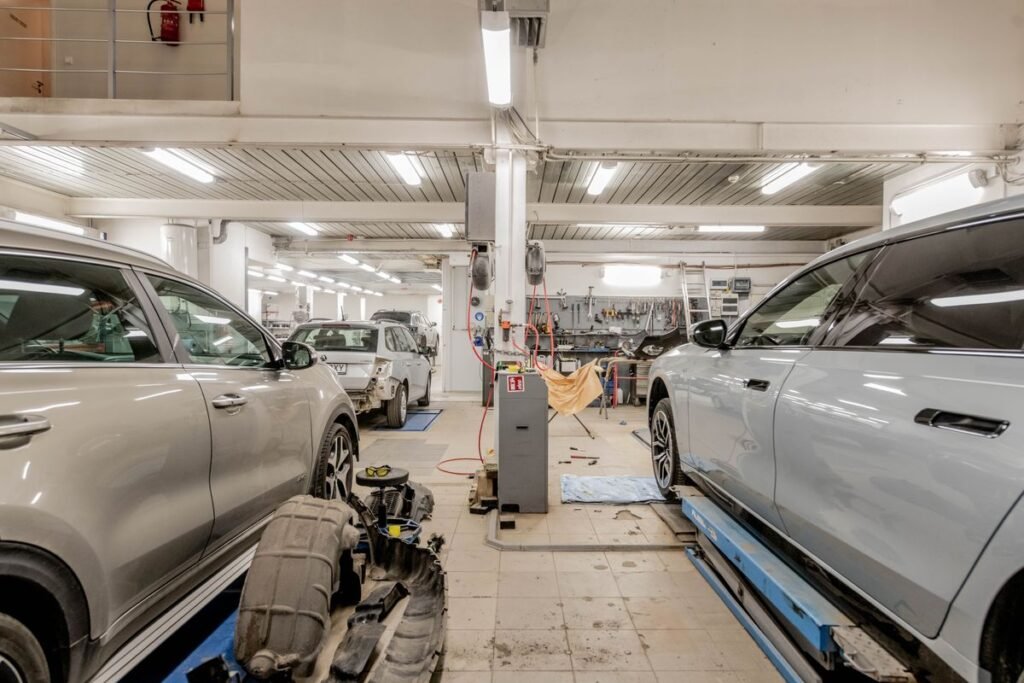
Quick answer: A sound coe ev seo automotive singapore strategy builds content around two overlapping search trends: COE renewal decisions driving repair-versus-replace research, and growing EV ownership driving new servicing and charging-related questions. Businesses that build genuine, accurate content around both, verified against current LTA and official guidance, capture demand competitors targeting only one trend miss.
Two search trends are reshaping automotive content in Singapore at the same time, and most workshop and dealership websites are only built around one of them, if either at all. COE EV SEO automotive Singapore strategy needs to account for both: drivers approaching a COE renewal decision who are actively researching whether to repair, renew, or replace their vehicle, and a steadily growing number of drivers researching electric vehicle ownership and servicing for the first time. Our SEO services approach for automotive clients treats these as connected rather than separate content tracks, since they frequently intersect in the same buyer’s decision process. This guide covers how to build content around both trends without overstating specifics a business is not certain of, and why verifying current detail against official sources matters more here than in almost any other content area covered in this series.
As a vehicle approaches its COE renewal point, owners face a genuine decision: renew the COE and continue running the existing vehicle, or let it lapse and move to a new or replacement vehicle instead. This decision window creates a distinct, planned search pattern quite different from the urgent, near-me searches covered elsewhere in this series: drivers researching repair costs to assess whether an ageing vehicle is worth continuing to maintain, comparing that against COE renewal costs and a replacement vehicle’s total cost, often over a period of weeks rather than deciding same-day.
Content addressing this decision honestly, without overstating specific costs or regulatory detail a business is not certain of, serves this search intent well. A workshop or dealership can reasonably write about general considerations relevant to a repair-versus-renew-versus-replace decision, and should direct readers to LTA’s official resources for exact, current COE and renewal figures rather than stating specific numbers that can change and that the business itself is not the authoritative source for.
A workshop is well positioned to write about what a pre-renewal inspection typically involves, general signs that suggest a vehicle may need significant repair investment soon, and how a workshop can help assess a vehicle’s condition as part of this decision, since this reflects the business’s own genuine expertise. A workshop is less well positioned, and should avoid, presenting itself as an authority on the exact current COE bidding process, quota figures, or renewal cost calculations, since these change over time and are properly the domain of official LTA guidance rather than a workshop’s own content.
Field notes: In our used car dealer case study, the COE guide series was written around evergreen frameworks, how COE works, how to evaluate remaining COE on a used vehicle, how to factor it into total cost of ownership, rather than presenting specific current prices as fixed facts. Where prices were referenced, the bidding exercise date was included, and the pages were designed to be reviewed quarterly so they stayed accurate. By months 5 to 6, COE content was driving 40% of the dealer’s organic sessions. Honestly scoped content that explains the decision, and points to the right sources for exact figures, is what earns that trust.
Electric vehicle ownership in Singapore is a genuinely growing trend, and search behaviour around it reflects a mix of first-time EV owner questions (what servicing an EV actually needs compared to a conventional vehicle, whether a given workshop services EVs at all, charging-related questions) and prospective buyer research (comparing EV ownership costs against a conventional vehicle, understanding what changes about the ownership experience). Workshops and dealerships that have genuinely invested in EV servicing capability have a real opportunity to capture this search volume, provided the content reflects actual capability rather than aspirational claims about services not yet genuinely offered.
| Content Area | COE-Related Angle | EV-Related Angle |
|---|---|---|
| Service and inspection content | What a pre-renewal inspection typically covers | What EV-specific servicing actually involves |
| Cost and decision content | General repair-vs-replace considerations, pointing to official COE sources for figures | General EV ownership cost considerations, avoiding invented specific figures |
| Workshop capability content | Standard repair and inspection services offered | Whether and how the workshop services EVs specifically |
| Buyer-facing content (dealerships) | How COE status affects a used vehicle’s value proposition | EV inventory, range, and charging considerations for buyers |
A meaningful share of drivers facing a COE renewal decision are, at the same time, genuinely weighing whether to switch to an EV as part of that same decision, making this an intersection point worth addressing directly rather than treating COE and EV content as entirely separate tracks. A page addressing “should I renew my COE or consider switching to an EV”, framed honestly around general considerations rather than specific financial claims, speaks directly to this overlapping search intent in a way that neither a COE-only nor an EV-only page fully captures on its own.
Our car dealer case study shows the value of content built around a decision buyers are genuinely weighing. The authorised Toyota dealership published six COE content pieces, including “COE category A vs B Singapore 2026” and “Toyota hybrid COE savings Singapore”, plus financing and comparison pages for buyers comparing their options. Within 6 months, COE content was appearing in People Also Ask boxes and monthly organic leads had risen from 11 to 41, as part of a wider programme of model pages and reviews. A workshop with real EV servicing capability can apply the same thinking to the renew-or-switch question.
Most agencies will suggest chasing high-volume, generic terms like “EV Singapore” or “COE Singapore” outright. That advice frequently backfires for an individual workshop or dealership, since these broad terms are dominated by news outlets, LTA’s own resources, and large automotive publishers, none of which a single workshop website can realistically outrank. A more specific, service-adjacent framing, “EV servicing workshop Singapore” or “pre-COE renewal inspection,” captures genuine, high-intent traffic a business can realistically compete for, rather than chasing broad terms that were never genuinely winnable to begin with.
Our car dealer SEO programme applies this same specific-over-generic framing to dealership inventory content, where EV listings benefit from the same honest, capability-specific approach as service content does for workshops.
Given how frequently regulatory and market detail in this space can change, verifying any specific figure, timeline, or policy detail against LTA’s official resources or another current, authoritative source before publishing matters more here than almost anywhere else in an automotive content programme. A business that publishes an outdated or incorrect specific claim about COE processes or EV-related policy risks a genuine credibility cost with a reader who catches the error, well beyond any SEO consideration. Our SEO consulting and audit work flags this kind of content for extra factual review specifically, given the higher stakes of getting it wrong compared to more evergreen service content.
COE and EV-related content works best as one component within a broader local SEO programme, sitting alongside core service pages and Google Business Profile work rather than as a standalone strategy on its own. Our pricing page covers how this kind of specialised content typically fits into an overall programme scope, and our about page covers how our team approaches this specific, higher-verification-need content area for automotive clients.
An FAQ-style section addressing genuine, common questions works particularly well for this content area specifically, since it lets a business answer what it can honestly speak to, general service and inspection considerations, while clearly signalling where a reader should go for authoritative regulatory detail instead. Structuring these questions around what a workshop or dealership can genuinely help with, rather than attempting to cover every possible regulatory question a reader might have, keeps the content both more useful and more honest. A question like “what should I check before my COE renewal decision” is something a workshop can answer well from direct experience; a question like “what will my exact COE renewal cost” is not, and content is stronger for acknowledging that distinction openly rather than guessing at an answer.
This same principle extends to EV content: a workshop can speak confidently to what its own service bay can handle, what training or equipment it has genuinely invested in, and general considerations a first-time EV owner should think about, while directing more specific questions about charging infrastructure policy or incentive schemes toward official government resources rather than attempting to cover that ground itself.
Both trends covered in this guide are moving targets rather than fixed topics, and content built around them should be treated as needing periodic revisiting rather than a one-time project. EV adoption in Singapore is still growing, meaning search volume and the specific questions drivers ask are likely to keep shifting as the vehicle population and supporting infrastructure continue to develop. A workshop’s content should be reviewed periodically to reflect its own evolving service capability as much as any broader market shift, adding genuine new capability to the content as it is actually built out rather than trying to anticipate demand for services not yet offered.
A simple biannual review, checking that any referenced figures are still current, that service capability claims still accurately reflect what the business actually offers, and that the content still reflects genuinely common driver questions rather than ones that have since become less relevant, keeps this content trustworthy over time rather than allowing it to quietly drift out of date the way so much automotive content on older websites already has.
Content in this specific area carries a reputational weight beyond typical service page content, since a reader researching a COE renewal decision or a first EV purchase is often making a genuinely significant financial decision, and content that misleads or overstates, even unintentionally through an outdated figure, can cause real harm to that decision and to the business’s credibility once discovered. Treating accuracy as non-negotiable in this content area, even where it means writing more cautiously or more generally than a competitor willing to overstate, tends to build a more durable, trustworthy reputation over time, one that a savvy reader increasingly notices and values compared to sites willing to publish confident-sounding but unverified claims.
A workshop wanting to build genuine COE and EV-related content without overreaching can follow a fairly straightforward starting sequence. First, take stock of actual capability: does the workshop genuinely service EVs, and to what extent, and what does a pre-COE-renewal inspection actually involve at this specific business. Second, draft content around only what can be answered honestly from that direct experience, resisting the temptation to fill gaps with confident-sounding but unverified regulatory detail. Third, link clearly to LTA’s official resources for anything touching exact figures, timelines, or policy specifics, framing the business’s own content as a helpful complement to official guidance rather than a replacement for it.
Fourth, set a calendar reminder for the biannual review covered earlier in this guide, so the content does not quietly become outdated the way so much automotive content on other Singapore websites already has. This sequence takes real discipline to follow, particularly the second step, resisting the urge to fill in details for the sake of a more “complete-looking” page, but it produces content that genuinely holds up to scrutiny rather than content that looks confident but cannot withstand a reader checking the details against an official source.
COE and EV-related content should be treated as a specialised layer added on top of the foundational work covered throughout this series, Google Business Profile optimisation, core service pages, technical health, and a genuine review programme, rather than a substitute for any of it. A workshop with strong foundational SEO and a small, carefully verified set of COE and EV content genuinely captures more of the available search demand than one that skips the fundamentals in favour of chasing these two specific trends alone. Our technical SEO work and our companion guide on building a full SEO blueprint both cover how this specialised content layer fits into a properly sequenced, complete programme.
Generally no, unless those figures are current and properly sourced. It is safer and more credible to discuss general repair-versus-renew considerations while directing readers to LTA’s official resources for exact, current figures.
Content should reflect genuine, current capability rather than aspirational claims. A workshop should only build EV-specific content once it can honestly describe what it actually offers, since overstating capability tends to disappoint readers who then convert into enquiries.
Yes, meaningfully. Many drivers facing a COE renewal decision are simultaneously considering whether to switch to an EV, making content addressing that specific overlap valuable alongside separate COE-focused and EV-focused content.
Generally not as a primary target, since these broad terms are dominated by news outlets, LTA resources, and large publishers. More specific, service-adjacent terms are more realistically winnable for an individual workshop or dealership.
Regularly, given how often regulatory and market detail in this space can shift. A periodic review, checking that any referenced figures, timelines, or policy detail are still current, matters more for this content than for more evergreen service pages.
Only once it genuinely has EV inventory or expertise to offer, since content promising EV expertise without the actual inventory or capability behind it tends to disappoint the exact high-intent buyers it attracts.
Focus on genuine service-side expertise, what a pre-renewal inspection involves, how a workshop can help assess a vehicle’s condition, while clearly pointing readers to official LTA resources for exact regulatory and cost specifics rather than presenting the business as that authority.
Yes, for businesses genuinely positioned to serve this search intent, since the traffic tends to be highly relevant and currently underserved by most individual automotive websites, even though it requires more careful, ongoing fact-checking than typical evergreen content.
Yes. A biannual review checking that referenced figures are current and that service capability claims still accurately reflect what the business genuinely offers helps this content stay trustworthy as both the regulatory landscape and a business’s own capabilities evolve.
Readers researching COE or EV decisions are often facing significant financial choices, and content that overstates or misleads, even through an outdated figure, can cause real harm to that decision and damage the business’s credibility once the reader discovers the error.
If you want help building accurate, properly verified content around COE and EV-related search trends for your workshop or dealership, Singapore SEO Agency offers a free SEO audit to identify where this content fits into your broader strategy. No commitment, no sales pressure. Get in touch to arrange it.
In our experience working with car dealerships across Singapore, the fundamentals that work for car dealerships elsewhere still apply here, but the specific mix of technical, content, and local signals that matters most differs by category.
In our car dealer case study, the first model terms ranked in the top 10 in months 1 to 2, once the 8 model landing pages were indexed and schema was deployed, ahead of the larger lead gains.
We recommend starting with a proper audit rather than guessing which lever to pull first, and our team applies this same sequence on every car dealership account we manage, adjusting the specifics for a used car dealer in Ubi or any other car dealership depending on their starting position.
This pattern holds regardless of size: a single-outlet car dealership and a multi-location group both benefit from the same sequence, though a multi-location group usually needs an additional 4 to 6 weeks to standardise Google Business Profiles and content across every location before results compound consistently. If you want to see how this applies to your specific starting point, our team is happy to walk through it during a short consultation.
A sound coe ev seo automotive singapore strategy captures two genuinely overlapping search trends, COE renewal decisions and growing EV ownership research, through honest, carefully verified content rather than overstated claims or invented regulatory specifics. Businesses genuinely positioned to serve this intent, and willing to keep the content current against official sources, have a real opportunity most competitors have not yet built toward. Our industry SEO overview covers how similar emerging search trends are shaping content strategy across other Singapore industries.
Natalie leads SEO strategy at Singapore SEO Agency, helping local and regional businesses build organic search programmes that drive qualified leads. She specialises in technical SEO and content-led authority building for Singapore SMEs.
Get a free SEO audit for your Singapore website — we'll show you exactly where you stand, what's holding you back, and what it would take to rank on page 1.
Get Your Free SEO Audit →Google analytics consulting services for Singapore SMEs: what consultants do, indicative SGD costs, deliverables to demand and red flags. Buy the right scope.

Bounce rate in GA4 is not the old Universal Analytics number. Learn what it measures now, why old benchmarks fail and how to judge each page by its job.
Yoast SEO helps most when its site-wide settings are right. See which settings to choose, what the traffic lights really mean and the mistakes to avoid.

Which free keyword research tool should a Singapore clinic, firm, contractor or tutor use? Combine five free tools to find your first 30-50 keywords. See how.

SEO vs SEM is usually the wrong question. Learn what the terms really mean and how to use ads and Search Console data to decide which searches to earn or buy.

Google Search Console login problems usually start with verification and ownership. Learn how to get in, fix access errors and offboard agencies safely.
Fast, no obligation. We reply within 24 hrs.
Singapore’s specialist SEO agency for SMEs. We rank your business on Google — and only Google. No distractions, just results.
© 2026 Singapore SEO Agency. All rights reserved.